English waters are home to many important and protected marine mammal species. Across our seas, inlets and coastal areas, we have two native seals species, grey seals (Halichoerus grypus) and harbour seals (Phoca vitulina), as well as one native otter species, the Eurasian otter (Lutra lutra).
These species are protected within a type of marine protected area (MPA) known as a special area of conservation (SAC). Grey seals are protected within four SACs, while harbour seals are protected within one. There are two SACs on the coast which protect Eurasian otters. These MPAs help to protect important species, and they also protect the habitats that they rely on.
Seals
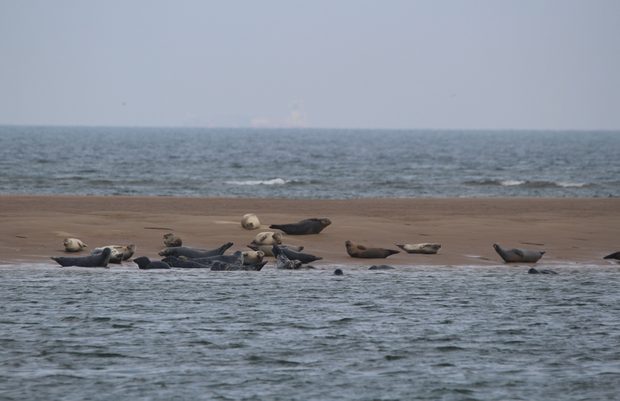
Seals rest in areas known as haulouts, often in colonies. Grey seals typically prefer exposed rocky coastlines, whereas harbour seals prefer more sheltered sandy beaches, tidal flats and estuarine zones. On land they can rest, warm-up, stay safe from predators, and look after their young, but they depend on the sea for food. Their diet is largely made up of fish and invertebrates which depend on healthy marine habitats. We know that grey seals eat a lot of sand eels, which live in sandy substrate habitats. This demonstrates why we need to consider the impacts of activities on habitats and how both are connected.
Otters
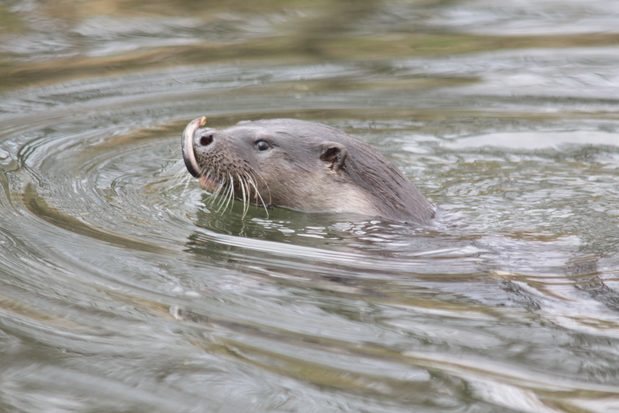
Otters shelter in dens known as holts. Holts are often found along shorelines with places to hide like ledges, rock piles, and dense scrub. They are generally solitary animals once a cub is no longer dependent on its mother.
Like seals, otters live on land but depend on the sea for food, often hunting in shallower waters according to the tide. Intertidal mudflats provide nursery areas for crustaceans which form a large part of coastal otter diets, so it is important that these habitats are protected.
Which activities may interact with seals and otters
Unfortunately, their life on the English coast means that these species are vulnerable to disturbance caused by human activities.
Our work considers the potential impact of marine Non-Licensable Activities (mNLA), which include a range of recreational and commercial activities, from anchoring, to boating, wildlife watching and kayaking.
Noise from motorised vessels caused by wildlife tour boats can travel through the air and underwater, which may disturb seals and otters in the surrounding area.
Even quieter activities may cause disturbance. Kayaks and canoes may alarm the animal if they “sneak up” on them. Although seals often show interest in divers and swimmers, it can be dangerous to both the humans and the seals if the seals are at risk of becoming distressed.
How seals and otters react to disturbance
Different levels of disturbance may result in different reactions from seals and otters. They may simply notice the disturbance, move away from it or even flee from land into the sea. Wherever they are disturbed, they will expend energy. Seals are particularly vulnerable to disturbance during pupping season. Grey seal pups are born with a white coat that is not waterproof so they cannot go into the sea when they are first born, so any disturbance could impact their chances of survival.
How activities may affect important habitats
Even if recreational activities are not directly impacting seals and otters, they can have other, knock-on effects. Anchoring on sensitive habitats such as reef, seagrass, and benthic seabed features can cause significant long-term damage. Thes habitats are integral to supporting the prey species that seals and otters need to survive. Therefore, it is vital we consider the whole environment when protecting species.
Have your say
We are currently seeking additional evidence on the impacts of mNLA on seals and otters, as well as other protected species and habitats. If you have relevant research, monitoring data, reports or observations, we ask you to respond to our current call for evidence and respond before it closes on 25 November 2026.
By sharing information, you can help improve our understanding of these impacts and support the effective protection of England’s seals, otters, and the supporting habitats.
For more detailed guidance on how to contribute, why this is important and the types of evidence that we find useful, please visit our previous blog:
If you require support completing our survey or submitting evidence, please let us know: conservation@marinemanagement.org.uk
Leave a comment