marine conservation
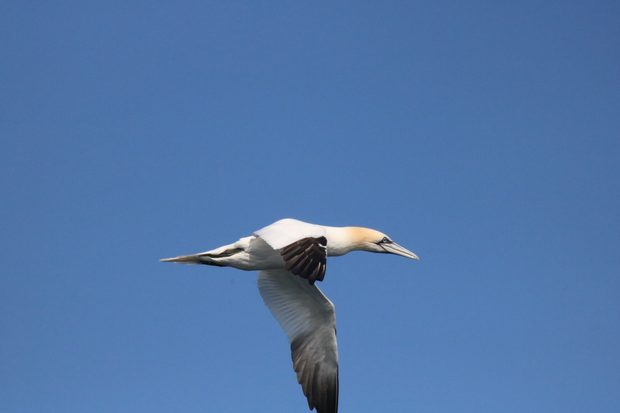
The English coastline supports a remarkable diversity of bird life. Its rich network of mudflats, saltmarshes and shallow coastal waters provides food and shelter for millions of birds throughout the year. From gannets plunging into the sea at speeds of …
Are you a marine researcher? Do you study seagrass recovery, monitor seal colonies or capture data on marine birds? Are you a passionate diver, wild swimmer, coastal tour operator or experienced sailor? We want to hear from you. On 30 …
Two years ago we took a significant step towards healthier seas and a more sustainable future for our fishing industry. On 22 March 2024, new rules came into force prohibiting the use of bottom towed fishing gear across reef and rocky habitats in 13 English …
Our mission is to safeguard England’s marine environment while supporting a thriving and sustainable fishing industry. One way we can achieve this is through the implementation and enforcement of byelaws within our offshore marine protected areas (MPAs). Our MPA byelaws …
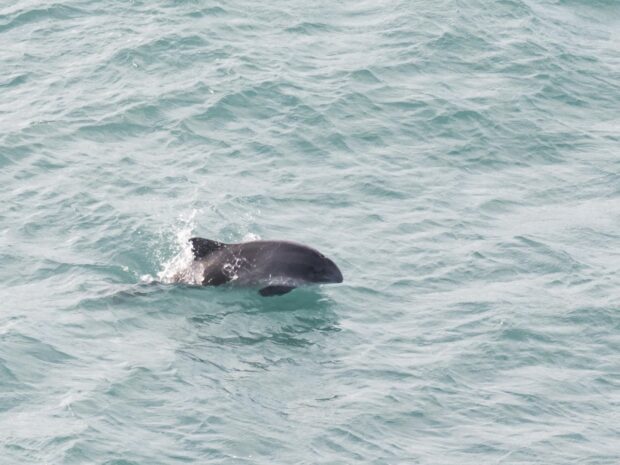
For those who work at sea, Harbour porpoises are a familiar sight around our coast. They have a wide diet, feeding mostly on fish, including sandeels, herring and whiting, as well as on squid and crustaceans. As predators they help …
We'd like to introduce some of the UK's less well known, but vitally important marine species which we’re aiming to protect within Stage 3 Marine Protected Areas (MPAs). In Stage 3 we're consulting on proposed fisheries management measures that would …
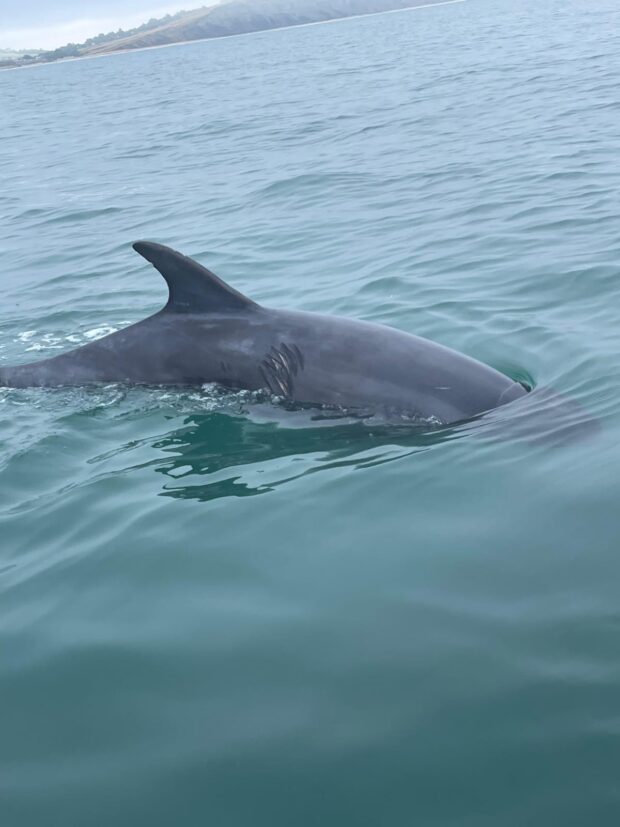
Every now and then solitary dolphins appear in coastal waters. The reasons why this happens can vary and are not always clear. What we do know is that they can captivate communities, display playful behaviour and become more interested in …
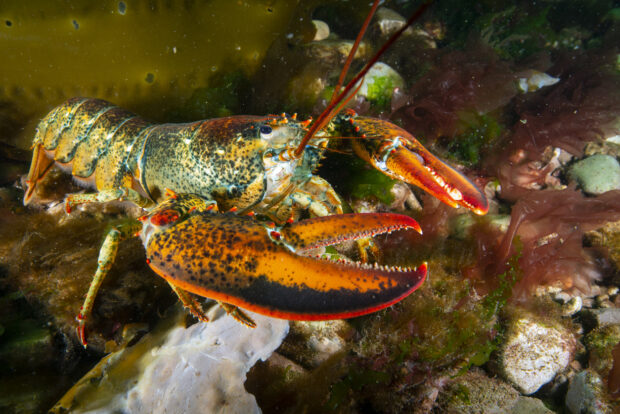
We have had another recent report of a non-native lobster (American lobster - Homarus americanus) brought up in a pot on the Sussex coast near Shoreham. This also follows previous sightings of Atlantic blue crab (Callinectes sapidus) in Brighton. In …
We’re diving into some of the less well known but ecologically vital marine habitats found in England’s offshore Marine Protected Areas (MPAs). This includes subtidal sand, mud, sediment, and deep-sea bed. While these habitats may not have the visual appeal …
Britain is home to two species of seals: the grey seal (Halichoerus grypus) and the common or harbour seal (Phoca vitulina). While they usually spend their time lounging on beaches to conserve energy, they occasionally wander into more hazardous environments. They bounce …





Recent Comments