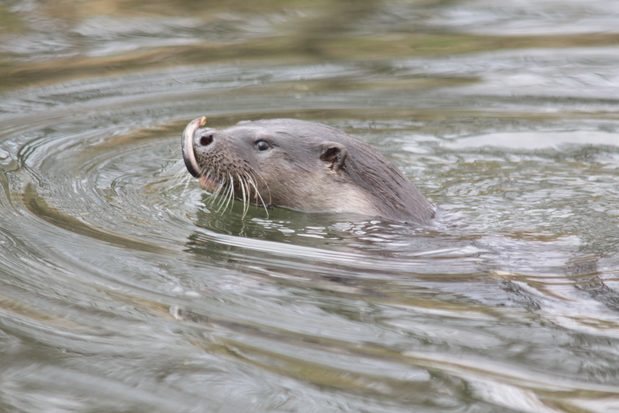
English waters are home to many important and protected marine mammal species. Across our seas, inlets and coastal areas, we have two native seals species, grey seals (Halichoerus grypus) and harbour seals (Phoca vitulina), as well as one native otter …
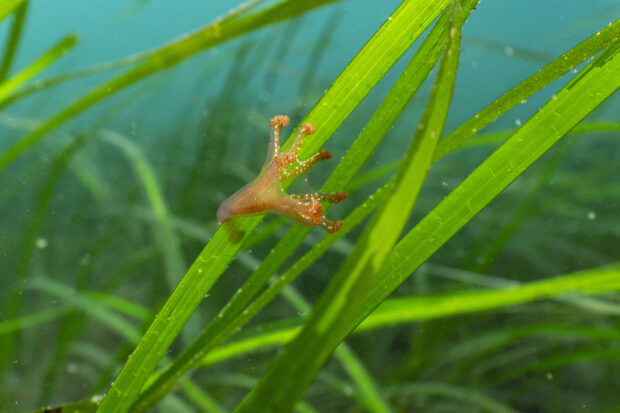
England’s seas support some of our most important and sensitive marine habitats and species, many of which are protected within marine protected areas (MPAs). This includes seagrass, an important habitat for some of our most fascinating marine species, the seahorse …
Are you a marine researcher? Do you study seagrass recovery, monitor seal colonies or capture data on marine birds? Are you a passionate diver, wild swimmer, coastal tour operator or experienced sailor? We want to hear from you. On 30 …
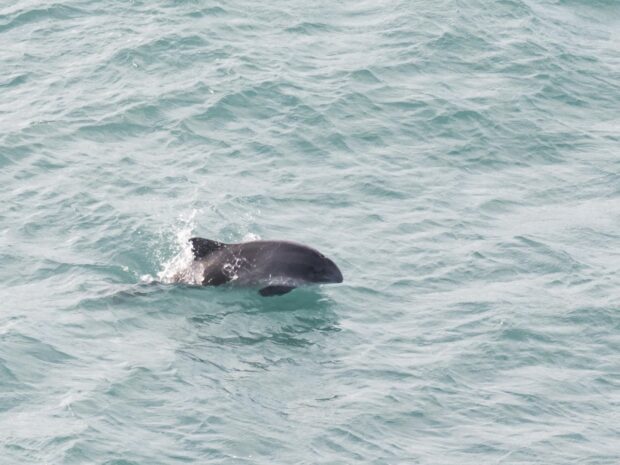
For those who work at sea, Harbour porpoises are a familiar sight around our coast. They have a wide diet, feeding mostly on fish, including sandeels, herring and whiting, as well as on squid and crustaceans. As predators they help …
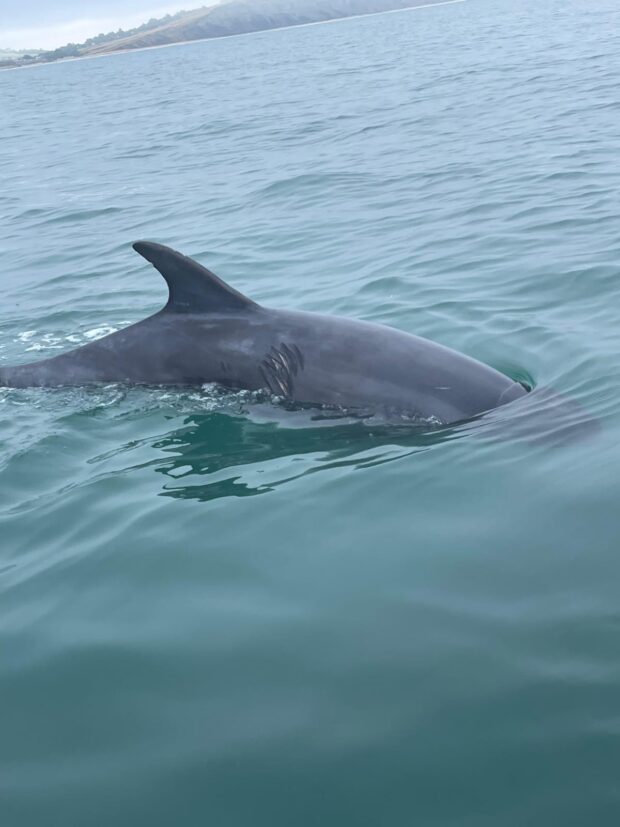
Every now and then solitary dolphins appear in coastal waters. The reasons why this happens can vary and are not always clear. What we do know is that they can captivate communities, display playful behaviour and become more interested in …
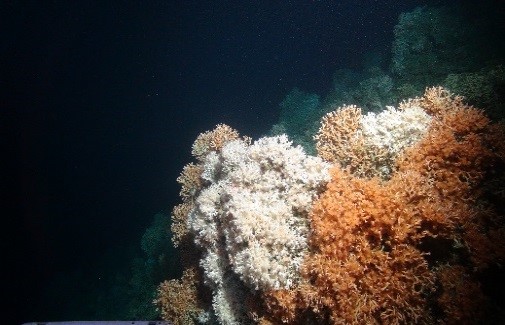
We’re diving into some of the less well known but ecologically vital marine habitats found in England’s offshore Marine Protected Areas (MPAs). This includes subtidal sand, mud, sediment, and deep-sea bed. While these habitats may not have the visual appeal …
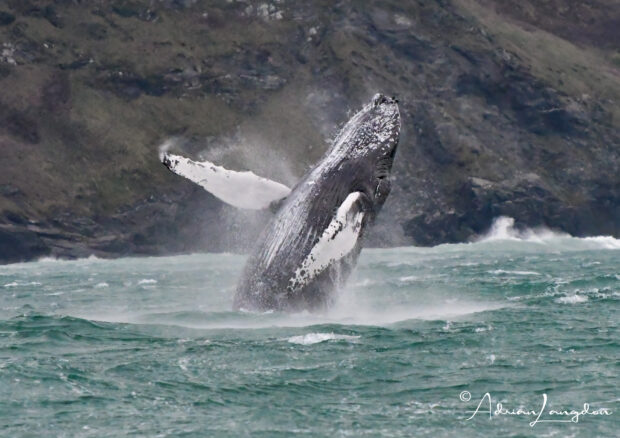
Cornwall and the South West are hotspots for whale watching. In recent years we've even had sightings of rare humpback whales off this part of our coast. Humpbacks are large, beautiful and powerful wild animals that can range in length …
Have you ever been asked to name a UK seabird on the spot? Seagulls probably come to mind first, right? Or maybe you think about those charismatic puffins or bustling ‘seabird cities’ of guillemots. We’re actually home to some of …
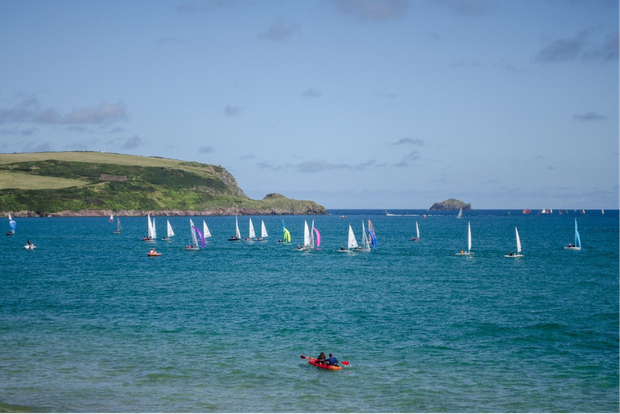
Here in the UK we are never far away from the coastline. Our stunning shores, sandy beaches and coastal paths attract millions of visitors every year. This brings an economic boost to local communities, and alongside the growth of staycations …
On 13 June 2022, the Marine Management Organisation (MMO) introduced new byelaws to protect four offshore marine protected areas (MPAs) from damaging fishing activity. This marked a significant step in our work to assess and appropriately manage fishing activities to …


Recent Comments