'Your Coast - Explore, Enjoy, Protect’ is our campaign inviting everyone to play an active role in protecting England's marine environment. Getting the balance between conservation and responsible recreation right depends on good evidence. Our recently launched Call for Evidence is the first stage in this important process and will help us understand how we interact with nature when enjoying marine based activites off our coast.
Are you a marine researcher? Do you study seagrass recovery, monitor seal colonies or capture data on marine birds? Are you a passionate diver, wild swimmer, coastal tour operator or experienced sailor? We want to hear from you.
On 30 September 2026, we launched a Call for Evidence on how marine Non- Licensable Activities (mNLAs), including things like anchoring, watercraft, diving and wildlife watching, impact protected habitats and species in England's MPAs.
We've already conducted a substantial literature review examining the current evidence base and pulled this into what we call ‘Impacts Evidence’ documents. We want your views and any additional evidence. This will help us to ensure that fair, evidence led decisions are made about how these areas are managed in the future.
What are mNLAs
They cover a broad range of recreational and commercial activity in and around our coasts, including:
recreational and commercial anchoring
motorised watercraft
motorised personal watercraft
non-motorised watercraft
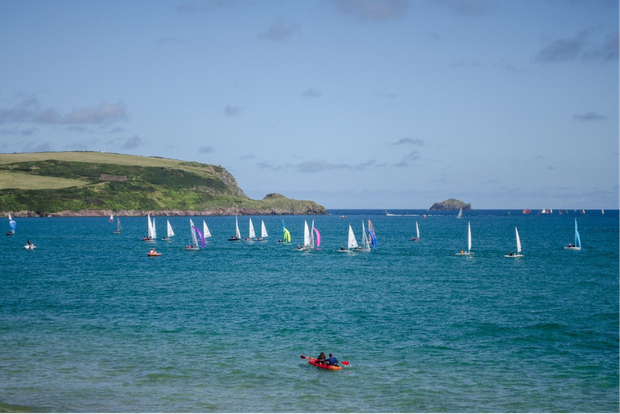
sailing
diving and snorkelling
commercial wildlife watching at sea
hovercraft operations
This excludes all fishing activities.
Our draft Impact Evidence documents examine how these activities may impact protected habitats and species, from benthic (seabed) habitats to birds, seals and otters, reef features, seagrass beds, maerl beds, seahorses and stalked jellyfish.
Why we need your evidence
Our draft Impact Evidence documents are a starting point, but in several areas, we believe there is more information available which could help to improve our understanding. Because of this, we're asking anyone with evidence to share it with us now, leading to better-informed, more proportionate decisions later.
If your work touches any of these following areas, your evidence could make a real difference:
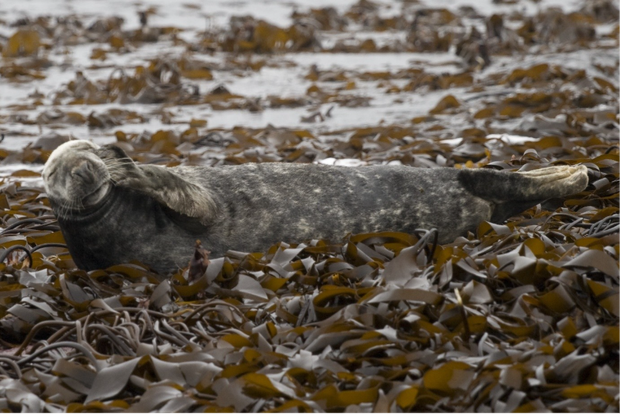
Recreational disturbance of wildlife: there is substantial uncertainty around how birds, seals and otters respond to recreational activity including disturbance thresholds, the distances at which activities trigger a reaction, cumulative effects of repeated disturbance, and the long-term consequences for breeding success and survival.
Recovery and resilience of habitats: we need more on how habitats, especially seagrass beds, maerl beds, reefs and benthic sediments, recover from disturbance, how resilient they are to repeated activity, and where the thresholds lie beyond which recovery becomes difficult.
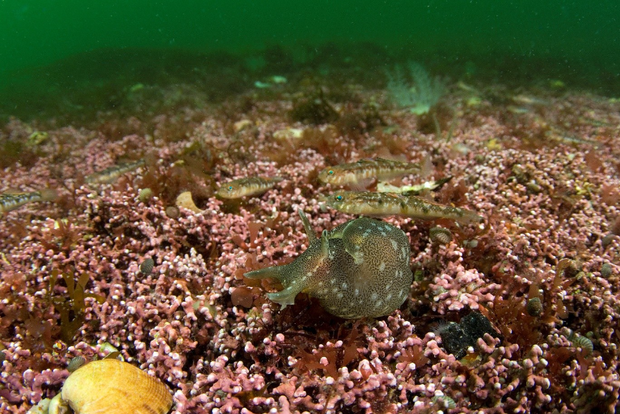
Sea hare & gobies on maerl bed, Fal & Helford @Paul Naylor
Activity-specific impacts: there's a lack of direct evidence on things like recreational anchoring impacts, hovercraft effects on seals and otters, propeller wash and vessel wake on reefs, and diving and snorkelling impacts on sensitive features. Right now, many assessments rely on evidence from analogous situations rather than direct studies, so direct evidence here is especially valuable.
Spatial and cumulative effects: we want to better understand where activities happen, how often, and how they overlap with protected features.
What evidence are we looking for
We welcome a wide range of evidence and insights that can improve our understanding of the effects of activities on marine protected habitats and species, including:
Scientific and technical evidence, such as research papers, technical reports, monitoring studies, habitat condition assessments, species surveys, theses and conference proceedings.
Site-specific evidence, including local monitoring programmes, citizen science data, visitor-use studies, site management reports, and before-and-after evaluations of management measures.
Operational and practitioner knowledge from harbour authorities, conservation organisations, recreational user groups and others with direct experience of marine environments, including observations of what management approaches have, or have not, worked in practice.
Activity and distribution data, such as vessel activity data, GPS or app-based tracking information, seasonal activity patterns, and spatial data showing where activities overlap with protected habitats or species.
Evidence is particularly valuable when it:
Relates directly to marine protected habitats, species or conservation objectives.
Includes clear methods, assumptions and data sources.
Helps quantify impacts, recovery rates or thresholds for disturbance.
Provides information on the intensity, frequency or spatial distribution of activities.
Draws on long-term monitoring or repeated observations over time.
Comes from English MPAs or comparable UK marine sites.
Helps address one or more of the evidence gaps identified above.
Grey literature, monitoring reports, practitioner knowledge and local observations can all make important contributions. Equally, evidence showing little or no impact is just as valuable as evidence of adverse effects, helping to reduce uncertainty and build confidence in future assessments and management decisions.
What makes evidence particularly useful
Your submission is likely to carry more weight if it:
Relates directly to marine protected habitats or species
Includes clear methods and data sources
Helps quantify impacts, recovery or disturbance thresholds
Demonstrates activity intensity, distribution or frequency
Includes long-term monitoring results
Comes from English MPAs or comparable UK sites
Directly addresses one of the gaps above
And don't hold back if your findings show little or no impact, that's just as valuable for building confidence in future assessments.
What happens to the evidence
The evidence you submit will help us build a stronger and more consistent understanding of how activities interact with marine protected habitats and species. We combine evidence from MPAs in England with relevant studies, monitoring data and practical experience from elsewhere in the UK and beyond to develop a robust evidence base for our assessments.
This wider evidence base is used alongside site-specific information to support assessments of impacts and risks within individual MPAs. By contributing evidence, you can help fill important knowledge gaps, improve confidence in our assessments, and inform future decisions about the management and protection of these sites.
Have your say
Whether you're a university researcher, a harbour authority, a conservation group or a recreational sailing or diving club, you have knowledge that can genuinely improve how we manage England's MPAs.
If you hold evidence that speaks to any of the gaps above, we want to hear from you.
In addition, we’re asking you to share any images of protected marine habitats and species with us. By taking part you will be helping others to explore these often-hidden features of our coast and support MMOs vital conservation work.
When photographing marine wildlife, you should follow the Marine and Coastal Wildlife Code which contains information on how to avoid marine wildlife disturbance.
News and updates about the work of the Marine Management Organisation (MMO) and its partners in enabling sustainable growth in seas around England. Marine industries are estimated to contribute around £49.4 billion a year to the UK economy.

Leave a comment